






The Natchez Trace out of Nashville reaches Birdsong Hollow first, a wooded cut with a double-arch bridge across it. As of September 2026 those first miles are closed to through traffic, with a signed detour around the work into 2027.
You see the arches from the Timberland Park pull-off, over the trees in the hollow. Then you take the signed detour and pick the parkway back up south of the work, toward Leiper's Fork. Skip the detour and you only reach Big Tree Overlook, in and out. Summer on this corridor is hot and humid, and winter stays mild, with the odd night below freezing.
The night for that drive is Percy Priest Lake. Montgomery Bell State Park's campground is closed for renovations as of September 2026, with no reopening date. There is no NPS campground on Nashville's stretch of the Trace.
Past Leiper's Fork the parkway keeps going as two-lane road. That southern stretch is a Spring Hill trip.
Percy Priest Lake
East of Nashville, Percy Priest Lake breaks into coves you can swim in, off I-40. This is the first night for a Nashville trip.
Seven Points or Anderson Road is the easy loop if you arrive late, and both have swim beaches on the water. Poole Knobs is the third Corps campground on the same shore.
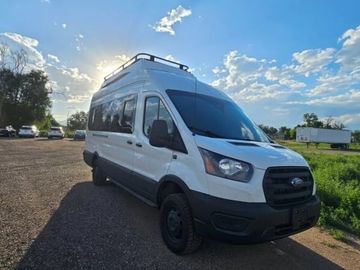
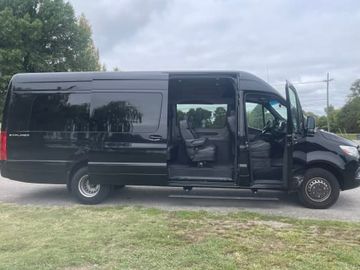
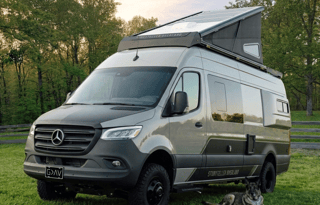
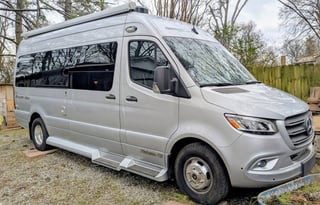
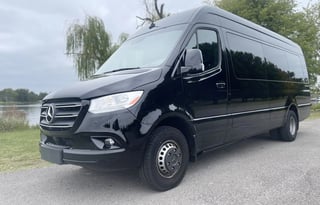
Those loops mix electric and non-electric sites, with water, a dump station, and showers, reserved on recreation.gov. Book the site before the van, and confirm the booking window there rather than assuming a season. Summer at the lake wants the electric loop, and if you need more sleeping space than a van, look at Nashville RV rentals.
Long Hunter State Park shares this shoreline as a lake day. Camping there is backcountry tent-only from the Day Loop trailhead, so the van stays on a Corps loop.
Northwest of the city, Cheatham Lake's Harpeth River Bridge Campground is open and reservable on TN-49W. The sites sit at the river, right before the bridge.
Downtown Nashville and the Grand Ole Opry
Nashville lights the skyline in neon, and the Grand Ole Opry still puts a show on the Opry House stage. You park for the skyline and the stage, walk in, and take the show. Downtown has no camping, so when the set ends the van goes back to Percy Priest.
Radnor Lake State Park is woods and water inside the city, open for hiking and wildlife. It has no campground.
North of Nashville, Bowling Green and Louisville continue the trip in Kentucky. Land Between the Lakes is a Tennessee campervan trip.