
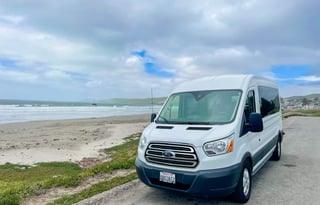
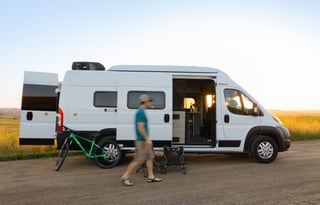
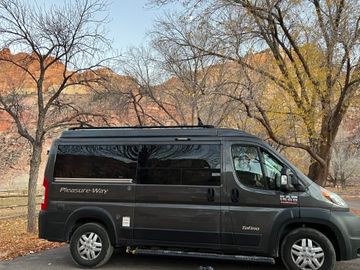








Point the van at Pismo State Beach for a Central Coast beach week. You sleep in the dune-and-grass loops a short walk from the water, then spend the day on the sand out to the pier. The catch is that everyone else wants the same, so book early, because Pismo runs near the top of the state park system for summer occupancy and weekends go first.
Lock the overnight before you book the van. The two developed loops here, North Beach and Oceano, are reservation-constrained through ReserveCalifornia, so the campsite is the first booking and the van is the second. Check the length limit while you are in the system, because Pismo takes campers and motorhomes up to 36 feet and trailers up to 31 and the rental has to fit the site you hold. If Pismo is full, Morro Bay State Park is the next call, though its most-wanted sites go by monthly drawing about seven months out. When both state parks are gone, El Chorro Regional Park is the county full-hookup fallback on Highway 1.
North Beach is the loop to book if you do not need a plug, tent-style sites under the eucalyptus with the sand and the winter monarch grove both a few minutes' walk off. Oceano is the loop with water and electric hookups when the van wants them. These loops are built for vans and mid-size campers rather than the biggest rigs, so if you are weighing a larger motorhome the California RV rentals page has those classes.
Pismo is also one of the few California beaches you can still drive onto. The ramp is off Grand Avenue in Grover Beach, the speed limit on the sand is 15 mph, and four-wheel drive is recommended for the soft stretches. It makes a good hour out to Post 2, about a mile south of the Pier Avenue kiosk, then back off the beach before the tide turns.
From November into February, western monarchs cluster in the eucalyptus and Monterey cypress at the Pismo grove, one of the larger overwintering sites in California. The grove is a real reason to rent here in winter, along with the elephant seals up the coast. Stay on the paths and leave the clusters alone.
Montaña de Oro State Park
Fifteen miles west of San Luis Obispo, Montaña de Oro is the hike people here do on a free weekend. Spooner's Cove is a pocket beach under sandstone bluffs, and the Valencia Peak trail climbs a ridge that looks down about seven miles of shoreline. In spring the bluffs turn gold with the wildflowers the park is named for.
Islay Creek is the campground across from the cove, 47 primitive sites capped at 27 feet, with no hookups and no showers and the nearest dump back at Morro Bay. Pecho Valley Road dead-ends past it, so you leave the way you came in. Bring water and treat it as a quiet base, not a full-hookup park.
Morro Bay and Morro Rock
Morro Rock is the volcanic plug that stands off the harbor, and the trip here is the water under it. Kayak the estuary or paddle out from the marina; the rock itself is a protected seabird nesting site and closed to climbers.
Morro Bay State Park camps back by the marina and the golf course, with electric hookups in some sites. The most-wanted sites run through a monthly drawing that draws about seven months ahead, and whatever nobody claims drops into the regular six-month window. Morro Strand, the beachfront row north of the rock, is the other choice, with its own hookup sites along the sand.
North up Highway 1, Hearst Castle and the Piedras Blancas elephant seals make a full day out of the coast. A bus carries you up to the 115-room hilltop house and its terraces, and there is no camping at the castle, so you sleep down at San Simeon Creek or back in Morro. A few miles on, a free boardwalk runs above the Piedras Blancas rookery, busiest around late January, hundreds of elephant seals hauled out on the sand below.
Highway 1 keeps climbing north from there into Big Sur, but that overnight belongs to our Monterey campervans.