













At Jacob Riis Park the Atlantic hits a Queens boardwalk in Gateway National Recreation Area, and the Rockaway sand runs west toward Fort Tilden. On a summer weekend you put a towel down and walk the boards.
West of the boardwalk, Fort Tilden is a former military site with dunes and a maritime forest. Battery Harris, an old coastal-defense battery in those trees, has an observation deck over Jamaica Bay, New York Harbor, and the Manhattan skyline. The deck is the other half of the beach day, after the sand and the water.
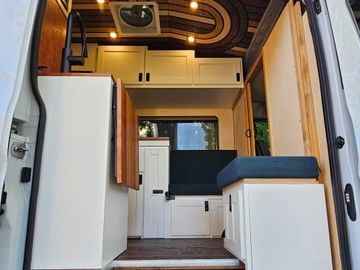
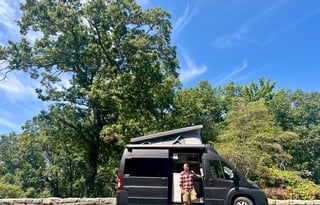
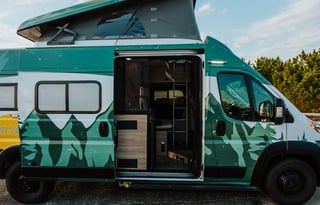
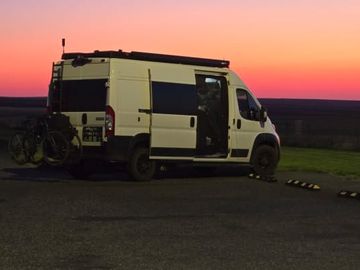
Lifeguards cover the Riis sand from Memorial Day weekend through Labor Day. Fort Tilden has no lifeguards, and swimming is prohibited on that stretch. This is a beach day, and the van does not stay overnight.
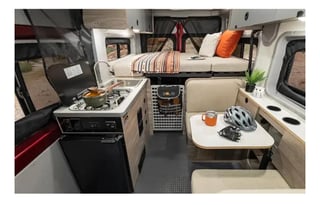
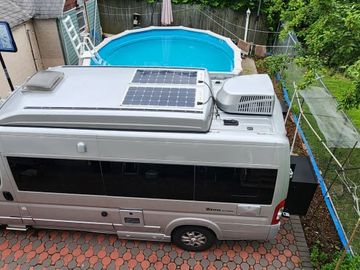
There is no public campground in New York City. Floyd Bennett Field's camping is a youth-group program closed through 2026, not a campervan overnight, so you lock a site outside the city before you take the van. Brooklyn, Manhattan, Staten Island, and the Bronx run into the same limit.
Hither Hills on Long Island is the ocean overnight, where the parkway low-bridge rule applies to a campervan. Beaver Pond at Harriman and the skyline campground in Jersey City on Newark's page are reachable the same day the trip starts. If you need more sleeping space than a campervan, New York's RV rentals are the next size.
Flushing Meadows Corona Park
Flushing Meadows Corona Park was the site of the 1939 and 1964 World's Fairs, and the Unisphere still stands from the second one. The fairgrounds around it now hold the USTA National Tennis Center and Arthur Ashe Stadium, a tennis campus you reach from the globe. Citi Field, the Mets' ballpark since 2009, is on the same Flushing ground. A day here is a walk around the Unisphere, a match at the tennis center, or a Mets game, and you leave at night.
The US Open runs late August into early September at that tennis campus. Those weeks are also the last lifeguarded stretch at the Rockaways and the start of fall camping on Long Island and at Harriman. Plan the Open, the last beach days, and the first fall camp nights as one trip.
Jamaica Bay Wildlife Refuge
A boardwalk at Jamaica Bay Wildlife Refuge crosses saltmarsh and open water, with egrets and herons on the edges and the Manhattan skyline in the distance. Migratory waterfowl move through in season. After the beaches lose their lifeguards, the refuge stays open for winter birding. You do it as a day from Queens and sleep at the overnight you already booked outside the city.