

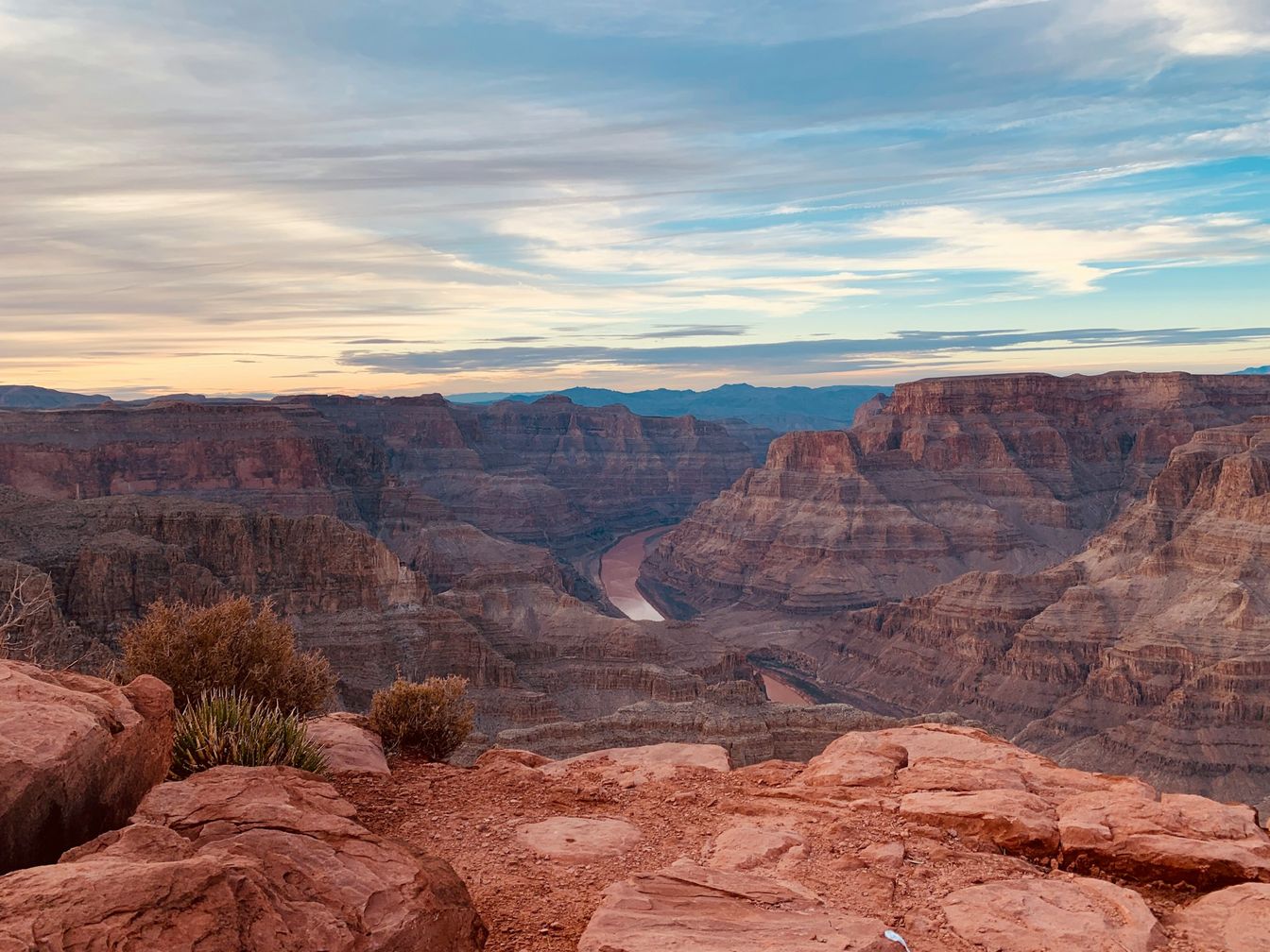
The landscape of American travel is shifting with a new policy targeting international visitors. On January 1, 2026, the Department of the Interior implemented Trump's $100 fee for non-residents to some national parks, a move that drastically alters the cost of visiting America's most iconic landscapes for foreign vistors.
This "Americans First" initiative is one the most substantial changes to the National Park Service (NPS) fee structure in decades. While U.S. residents continue to enjoy standard pricing, international tourists now face surcharges at the country’s most popular destinations. If you are planning when to visit major destinations such as Yosemite or the Grand Canyon, understanding these new charges is essential to avoid shock at the entrance gate.
Outwander.com breaks down what visitors need to know.
The New 2026 Fee Structure Guidelines
The core of the new policy is a two-tiered pricing system designed to prioritize U.S. residents while generating revenue from international tourism. The changes apply specifically to visitors who cannot prove U.S. residency or citizenship.
The $100 Surcharge Explained
Previously, entrance fees were typically charged per vehicle (usually $35). Under the new rules, international visitors 16 and older must pay a $100 per person surcharge on top of the standard vehicle entry fee.
For example, a family of four international tourists visiting the Grand Canyon previously paid a flat $35 vehicle fee. Today, that same family would pay the $35 vehicle fee plus $400 in individual surcharges, totaling $435 for a single visit. Ouch!
The Trump administration stated clearly that the goal is to ensure American families come first, with foreign visitors contributing a "fair share" toward the maintenance of these protected lands.
The Non-resident Annual Pass
The standard "America the Beautiful" annual pass, which grants access to all federal recreation lands, remains $80 for U.S. residents. However, the price for international visitors has more than tripled to $250.
Which Parks Are Affected?
Not every park in the National Park System is subject to the new surcharge. The administration has targeted the 11 most-visited and iconic parks where overcrowding and maintenance backlogs are most acute.
The $100 fee applies to the following locations:
- Acadia National Park (Maine)
- Bryce Canyon National Park (Utah)
- Everglades National Park (Florida)
- Glacier National Park (Montana)
- Grand Canyon National Park (Arizona)
- Grand Teton National Park (Wyoming)
- Rocky Mountain National Park (Colorado)
- Sequoia & Kings Canyon National Parks (California)
- Yellowstone National Park (Wyoming/Montana/Idaho)
- Yosemite National Park (California)
- Zion National Park (Utah)
Visitors to lesser-known parks or national monuments generally do not face the $100 surcharge, though the $250 annual pass requirement for broad access remains in effect across the system.
Enforcement: Who Has to Pay?
Confusion regarding who qualifies as a "non-resident" has been a primary concern for travelers. The Department of the Interior has clarified that the surcharge is strictly for tourists visiting from abroad.
- U.S. Citizens & Permanent Residents: Utilize standard fees ($35/vehicle or $80/year).
- Foreign Residents Living in the U.S.: Exempt from the surcharge if they can validly prove residence (e.g., a U.S. driver’s license or state ID).
- International Tourists: Must pay the surcharge or buy the higher-tier annual pass.
Strict ID Checks
To enforce this, park rangers are now required to check identification at entrance stations for the 11 affected parks. American residents must present a government-issued photo ID (such as a driver's license) to claim the lower rate. Failure to produce a U.S. ID will result in the visitor being categorized as a non-resident and charged the higher fee.
Changes to Fee-Free Days
Another significant shift involves the traditional "fee-free days" when entrance fees are waived for all visitors. Moving forward, these days have been rebranded as "Patriotic Fee-Free Days" and are exclusively available to U.S. residents.
The calendar of free days has also been adjusted to align with the current administration's priorities:
* Removed: Martin Luther King Jr. Day and Juneteenth.
* Added: Flag Day (June 14), which coincides with President Trump’s birthday, and Constitution Day (September 17).
* Retained: Veterans Day and the NPS Birthday (August 25).
International tourists are no longer eligible for free entry on these dates and must pay full price regardless of the holiday.
Why the Fee Was Implemented
The administration has cited two primary drivers for the new policy: addressing the immense maintenance backlog and managing overcrowding.
The NPS has faced billions of dollars in deferred maintenance for years, from crumbling roads to aging wastewater systems. Budget proposals suggest the surcharge could generate over $90 million annually. This revenue is earmarked directly for facility upgrades and critical infrastructure repairs that have been delayed due to budget cuts.
Additionally, the rhetoric surrounding the move emphasizes an "America First" approach to natural resources, aiming to reduce congestion for tax-paying citizens by pricing out a segment of international demand.
Impact on International Travel
The tourism industry has reacted with concern regarding the potential economic fallout. In 2024 alone, U.S. national parks welcomed over 331 million visitors, a significant portion of whom were international travelers contributing to local economies through hotels, dining, and tours.
The United States has seen record tourism numbers recently, but industry experts warn that pricing a family visit at over $400 could deter middle-class international travelers. Tour operators in gateway communities near Yosemite and Zion are already reporting cancellations and expressing concern that the "unwelcoming" message of the fees may hurt local businesses that rely on foreign spending.
Actionable Tips for Travelers
If you are an international visitor planning a trip to a U.S. National Park in 2026, here is how to navigate the new system:
- Do The Math: If you plan to visit more than two of the 11 major parks, the $250 Non-resident Annual Pass is significantly cheaper than paying the $100 surcharge at each location.
- Carry Proper ID: If you are a foreign national living in the U.S., you must carry your U.S. driver's license or state ID. A passport from your home country will default you to the tourist rate.
- Buy Online: To minimize delays at entrance gates where rangers are checking IDs, purchase your digital pass in advance through the official Recreation.gov portal.
- Explore Other Parks: Remember that over 400 national park sites exist. Consider visiting parks not on the "list of 11," such as Olympic National Park or Great Smoky Mountains, to avoid the surcharge (though the annual pass price increase still applies for general entry). The Army Corps' lakefront campgrounds are another surcharge-free option.
While the fees are steep, the funds are legally bound to support the parks. Visitors can at least take solace that their higher entry costs are contributing directly to the preservation of these spectacular landscapes for future generations.